The Perks of Using a Diagnostic Repair Service for Your Car
The merits of utilizing a diagnostic repair service for a motor vehicle are considerable and far-reaching. Such services improve performance and safety while preventing minor issues from becoming major problems. By identifying potential concerns early, they contribute to maintaining the automobile's dependability and efficiency. Yet, many motorists neglect the value of routine diagnostic checks. Knowing what these services provide can contribute to wiser decisions about car upkeep and long-term performance. What factors should one consider when selecting a diagnostic repair service?
The Value of Diagnostic Repair Services
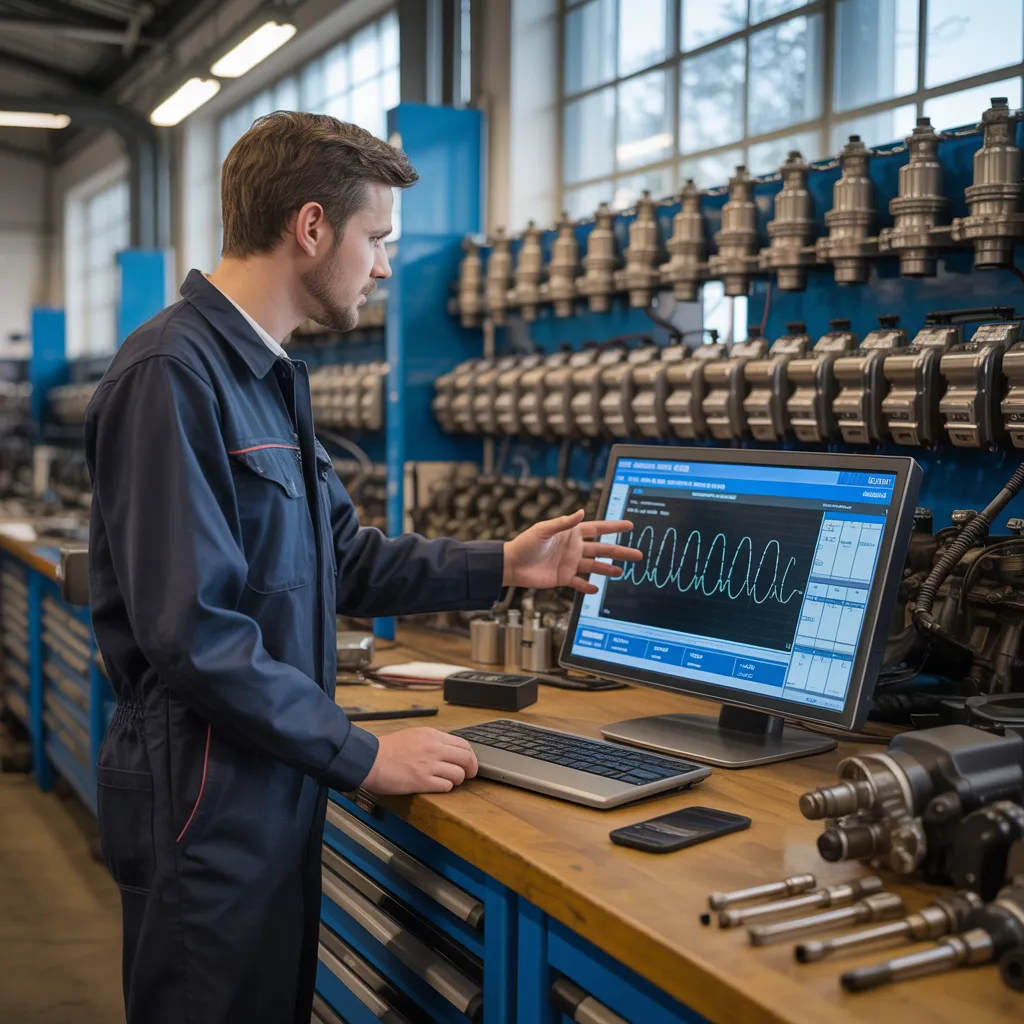
Diagnostic repair services are fundamental in keeping vehicles performing safely and efficiently. These services utilize advanced technology and additional article specialized equipment to assess a vehicle's systems, pinpointing potential issues before they grow into significant complications. Through comprehensive diagnostic procedures, technicians are able to identify malfunctions in essential components such as the engine, drivetrain, and electrical systems.
This forward-thinking method not only extends the lifespan of the vehicle but also ensures optimal fuel efficiency and dependability. Furthermore, diagnostic services assist in complying with safety standards, minimizing the likelihood of accidents resulting from mechanical failures. Routine diagnostics support well-informed choices concerning repairs and upkeep, potentially sparing owners considerable expenses over time. In the end, the value of diagnostic repair services rests in their capacity to deliver peace of mind, guaranteeing that vehicles run efficiently and safely on the road.
Frequent Vehicle Problems Identified Accurately
A large number of vehicle owners experience a range of common issues that specialized services can accurately identify. Such problems commonly involve engine problems, transmission difficulties, and electrical system malfunctions. As an example, an engine may exhibit unusual noises or decreased performance, prompting a need for thorough examination. Problems with the transmission can appear as gear slippage or uneven shifting, which specialized diagnostic evaluations can detect.
In addition, warning lights on the dashboard can highlight a variety of problems, from mild to critical, indicating the requirement for prompt attention. Brake problems, such as squealing or diminished responsiveness, also demand precise diagnosis to ensure driver safety. By making use of professional diagnostic services, car owners can pinpoint these issues early, preventing further damage and costly repairs. In the end, acknowledging and tackling these frequent vehicle issues through professional diagnostic services supports both long-term vehicle health and the safety of drivers.
How Diagnostic Tools Detect Vehicle Problems Precisely
Diagnostic tools utilize advanced technology to pinpoint vehicle issues with exceptional precision. By incorporating real-time data assessment, these systems can analyze numerous systems across the vehicle, delivering immediate feedback on efficiency and underlying concerns. This exactness boosts the effectiveness of repair operations, ultimately leading to better vehicle maintenance.
Cutting-Edge Technology Integration
As modern vehicles continue to advance in complexity, the incorporation of sophisticated diagnostic tools has transformed how problems are detected and resolved. Contemporary diagnostic systems employ advanced software and hardware to examine a vehicle's electronic parts, allowing technicians to identify issues with exceptional precision. Such tools are able to interpret error codes, observe sensor data, and carry out system checks in real time. By translating intricate vehicle data into understandable information, they work to minimize guesswork and decrease the time needed for repairs. Moreover, leveraging advanced technology ensures that technicians are kept current on the latest vehicle models and their particular demands. This precision not only enhances the efficiency of repairs but also improves overall vehicle safety and performance, establishing diagnostic repair services as an invaluable necessity.
Instant Data Analysis
Harnessing real-time data processing, contemporary diagnostic equipment accurately detect car malfunctions with exactness. These devices capture and process readings from numerous sensors throughout the vehicle, empowering automotive specialists to detect faults efficiently. By evaluating key indicators such as engine performance, fuel efficiency, and emission levels, technicians can gain insights into underlying problems that may not be visible during a visual inspection. Such a forward-thinking method enables prompt action, lowering the chances of significant deterioration and high repair costs. Furthermore, real-time data can facilitate better communication between the specialist and the automobile owner, ensuring transparency regarding the issues and recommended solutions. Overall, the use of real-time data analysis greatly enhances the precision and effectiveness of automotive diagnostics.
Why Do Experienced Technicians Matter in Diagnostics?
Experienced technicians serve a critical role in car diagnostics due to their extensive technical expertise. Their expertise allows for accurate problem detection, decreasing downtime for car owners. Moreover, proficient technicians enhance repair accuracy, guaranteeing that problems are fixed properly the first time.
Expert Technical Expertise
Technical proficiency is a critical factor in the effectiveness of vehicle diagnostics. Experienced technicians possess a deep understanding of automotive systems, empowering them to precisely analyze complex diagnostic tool data. Their extensive training allows them to recognize patterns and anomalies that less experienced individuals might overlook. This in-depth expertise ensures technicians can accurately separate minor faults from serious complications, producing more reliable diagnostic outcomes. Furthermore, experienced professionals are typically well-versed in the most recent technological developments, which play a vital role in modern-day vehicles. Their ability to stay updated with industry trends enhances their diagnostic skills, rendering them indispensable in detecting root problems quickly and efficiently. Ultimately, their expertise translates into more reliable and efficient vehicle repairs.
Efficient Problem Identification
Accurate problem identification is essential in vehicle diagnostics, and the proficiency of veteran technicians greatly strengthens this process. Skilled technicians possess a deep understanding of various vehicle systems, allowing them to quickly pinpoint issues that may elude less knowledgeable mechanics. Their expertise with diagnostic tools and equipment enables them to interpret data effectively, leading to faster and more reliable conclusions. Additionally, veteran mechanics can draw on past experiences to identify patterns in vehicle performance, facilitating quick pinpointing of persistent faults. This proficiency not only preserves time but also reduces the potential for misdiagnosis, ensuring that the right problems are addressed promptly. As a result, utilizing experienced technicians for vehicle diagnostics results in enhanced overall vehicle performance and durability.
Superior Repair Exactness
Achieving enhanced repair accuracy depends on the expertise of automotive specialists who possess a wealth of knowledge in car diagnostics. Experienced technicians are familiar with the nuances of diverse automotive systems, enabling them to pinpoint faults with precision. Their extensive training and hands-on experience allow them to utilize advanced diagnostic tools effectively, ensuring that problems are identified correctly the first time. This reduces the likelihood of misdiagnoses and unnecessary repairs, consistently reducing costs and effort for vehicle owners. Additionally, their knowledge of manufacturer specifications ensures that services are conducted at the highest level. Ultimately, the proficiency of seasoned technicians is essential for attaining precise diagnostic results, resulting in greater vehicle dependability and extended lifespan.
Cost-Saving Benefits of Early Diagnostic Repair Services
Early vehicle diagnostic services offer vehicle owners considerable financial benefits. Addressing issues promptly can prevent minor problems from escalating into major repairs, which often result in greater labor and component expenses. By diagnosing and addressing issues promptly, vehicle owners can prolong the life of their vehicles, decreasing the occurrence of high-cost repairs and component replacements.
Moreover, early diagnostics help optimize vehicle performance, which leads to greater fuel efficiency. Properly maintained vehicles are far less prone to unexpected breakdowns, protecting owners from incurring roadside assistance and towing expenses. Furthermore, routine diagnostic checks are capable of identifying underlying problems that are not always obvious, permitting timely intervention before such problems develop into critical concerns.
When all is said and done, prioritizing preventative diagnostic solutions not only protects a vehicle's current condition but also maximizes lasting financial benefits, making it a smart investment for responsible vehicle owners.
Recognizing Signs That Indicate the Need for Diagnostic Services
Automobile owners ought to be watchful in identifying signs that indicate the need for vehicle diagnostics. Unusual noises, such as clunking or grinding sounds, can signal underlying mechanical concerns that demand prompt attention. Moreover, indicator lights on the dashboard, particularly the check engine light, ought never to be overlooked, as they often indicate underlying mechanical issues.
Changes in vehicle performance, including decreased acceleration or difficulty starting, may also suggest the need for a thorough diagnostic evaluation. Inconsistent fuel economy can suggest problems with the engine or fuel system that could benefit from prompt professional assessment.
Ultimately, continuous vibrations or steering difficulties can point to suspension or alignment issues. By being attentive to these signs, car owners can proactively seek diagnostic services, keeping their vehicles safe and dependable while potentially reducing the cost of major repairs over time.
Common Questions and Answers
How Often Should My Vehicle Be Diagnosed?
A car should typically be assessed annually or whenever warning lights come on. Regular diagnostics help identify hidden faults early, ensuring peak performance and preventing costly repairs, ultimately prolonging the life of the vehicle and enhancing safety.
Is It Possible to Run Diagnostics on My Own at Home?
Absolutely, one can perform vehicle diagnostics at home through the use of inexpensive OBD-II diagnostic scanners. That said, even though minor issues can be diagnosed, more complex issues usually demand professional knowledge for an accurate assessment and effective repair solutions.
Which Types of Vehicles Gain the Most From Diagnostic Services?
High-end cars, hybrid models, and vehicles equipped with advanced technology are the primary candidates for specialized diagnostic services. Their complex electronics require specialized tools and expertise, guaranteeing precise issue detection and effective repair solutions to sustain maximum operational efficiency and safe driving conditions.
Do Diagnostic Repairs Fall Under Warranty Coverage?
Warranty coverage may apply to diagnostic repairs, depending on the specific terms and conditions of the warranty. Car owners are encouraged to examine their warranty documents or speak with their provider to understand the extent of coverage available for such repairs.
What Is the Average Duration of a Diagnostic Service?
A typical diagnostic service usually takes between one and two hours, based on the complexity of the vehicle and the specific issues being investigated. Aspects including the technician's expertise and diagnostic equipment can also affect the duration of the service.
Advance